Train Timings Shape Casino Crowds in England’s Major Cities
Drew Foster · Oct 31, 2026
Train Timings Shape Casino Crowds in England’s Major Cities
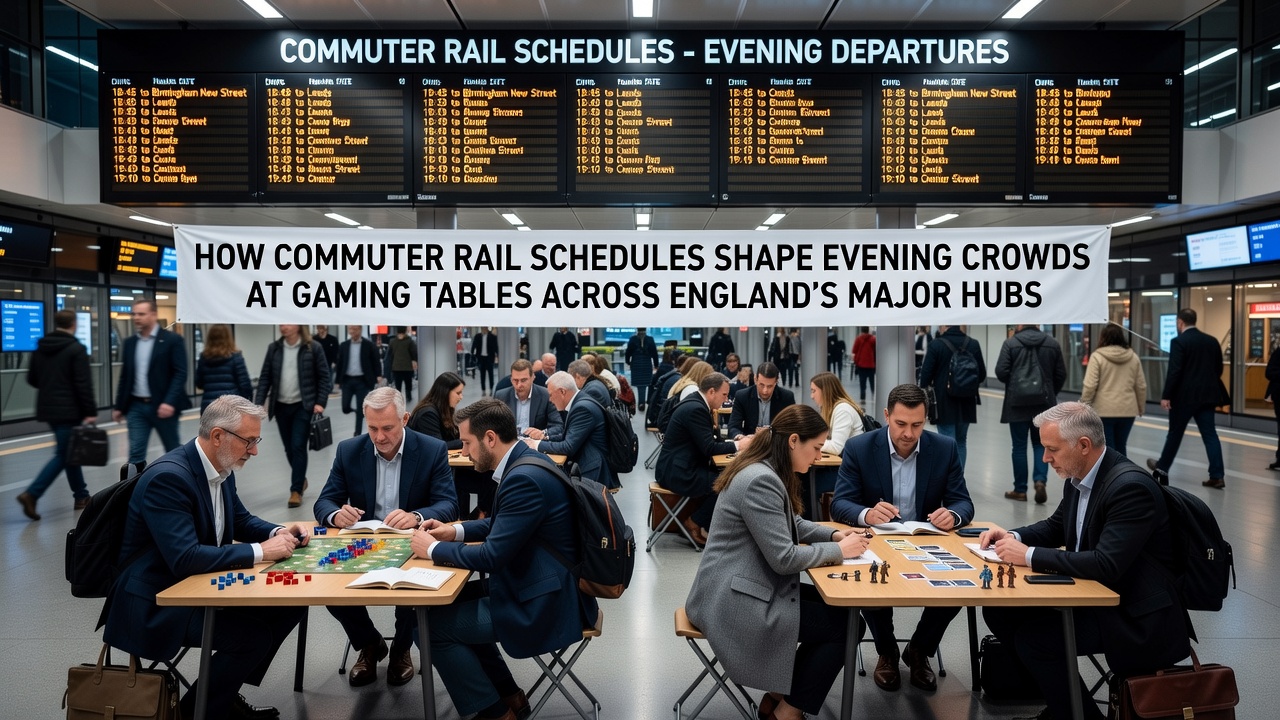
Commuter rail timetables create predictable waves of arrivals at casinos near major stations in London, Manchester, Birmingham and other English hubs, and data from transport operators confirms these patterns repeat across weekdays and into weekends. Evening services from suburban and regional lines deliver passengers between 5pm and 8pm, aligning directly with the opening of peak gaming hours at nearby venues.
London’s Network and West End Tables
Services into London Euston, King’s Cross and Paddington run on tight intervals during the commuter window, and passengers stepping off these trains often head straight to gaming floors within a short walk. Figures from rail performance reports show that lines such as the West Coast Main Line and Great Western Railway increase frequency after 4:30pm, producing clusters of arrivals that coincide with table game openings at 6pm. Observers note that blackjack and roulette pits near these stations record higher occupancy rates once the 6:15pm and 6:45pm trains discharge passengers.
Manchester and Birmingham Patterns
Manchester Piccadilly and Birmingham New Street operate as key interchange points where multiple regional services converge after 5pm. Northern Rail and CrossCountry timetables list departures from outlying towns that reach these stations between 5:20pm and 7:10pm, and casino locations adjacent to both stations see corresponding upticks in footfall. Studies conducted by the European Union Agency for Railways indicate that synchronized arrival times across interconnected networks produce similar crowd surges in other European cities, suggesting the English pattern fits a wider template.
October 2026 Timetable Adjustments
New schedules due to take effect in October 2026 will extend several evening services on the Midland Main Line and East Coast Main Line by fifteen minutes, according to preliminary operator announcements. These changes are expected to shift some passenger flows later into the evening, potentially extending the window when tables near stations remain busy past 9pm. Industry analysts tracking rail and leisure intersections have begun modeling how these adjustments may redistribute evening volumes across poker rooms and live dealer areas.
Regional Hubs and Connecting Services
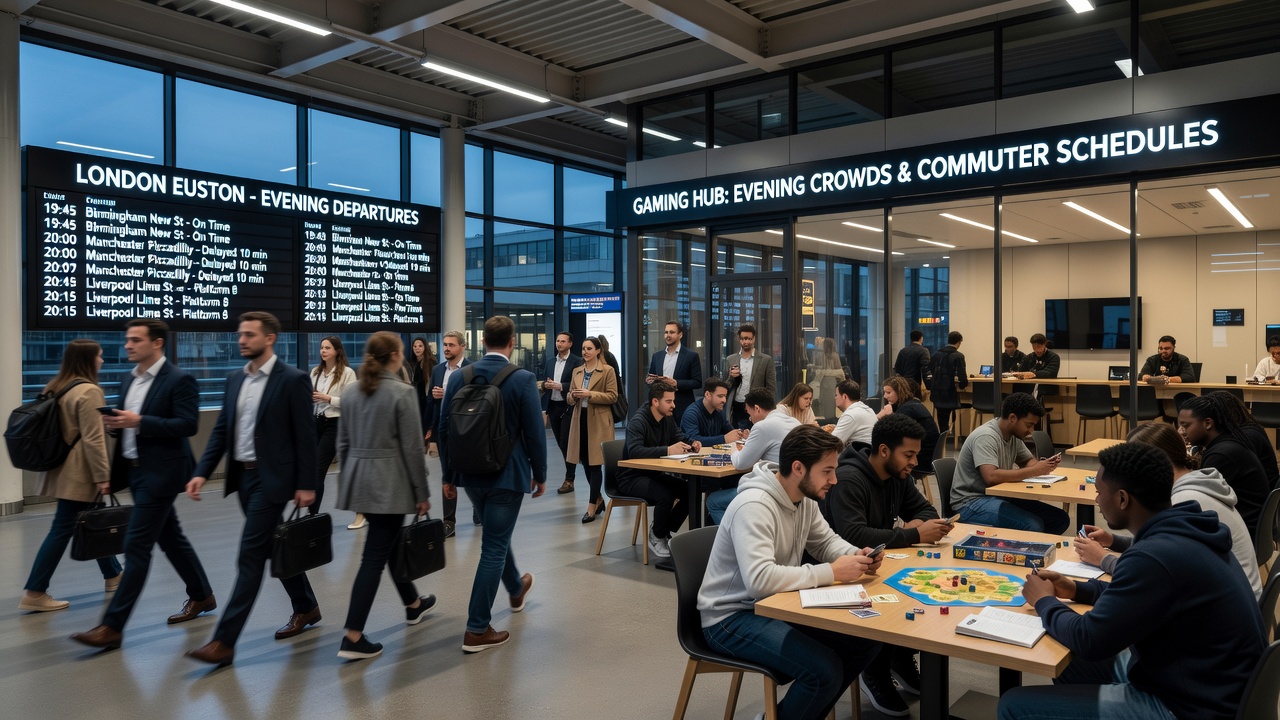
Leeds, Liverpool and Bristol each host stations where local and intercity services meet, and the arrival of 6pm to 7:30pm trains from surrounding counties feeds directly into gaming zones located within five minutes’ walk. Transport data compiled by the Canadian Urban Transit Association highlights that integrated ticketing systems encourage onward movement from rail platforms to nearby entertainment districts, a mechanism also visible in English cities where season tickets include flexible return options that keep passengers in urban centers longer.
Operators adjust dwell times at terminal platforms to accommodate peak loads, and this logistical detail influences how quickly crowds disperse toward casino entrances. When services run on time, the interval between platform clearance and table seating shortens noticeably; delays of ten minutes or more spread arrivals across a wider period and flatten the initial rush.
Measurement and Monitoring
Casino operators track hourly entry data against published rail timetables, and cross-referenced records reveal consistent correlations between specific train arrivals and table occupancy rates. A report issued by the U.S. Federal Railroad Administration on urban mobility corridors demonstrates that leisure venues positioned near high-frequency commuter nodes experience repeatable demand spikes tied to service patterns, providing a comparative lens for English observations.
Seasonal events such as holiday timetable changes further alter these rhythms, with reduced late services in December shifting some activity earlier while summer extensions produce the opposite effect. Planners at both rail companies and gaming venues monitor these variations to align staffing and table availability with expected demand.
Conclusion
Rail schedules therefore function as a structural driver of evening attendance at gaming tables across England’s primary cities, and the evidence from operator records and cross-border studies confirms the strength of this link. Adjustments planned for October 2026 will test how small timetable shifts propagate through the system, while ongoing data collection continues to map the precise relationship between train arrivals and table activity in real time.